About Bayankhongor
Location and Geography
Bayankhongor Province lies in the southwestern part of
Mongolia, covering the high plateaus south of the Khangai Mountains and the
mountainous areas of the Gobi-Altai range, as well as parts of the southern
Gobi desert. This combination creates a unique govi–khangai transitional
ecosystem.
Most of the territory lies at an elevation of 1,000–1,400
meters above sea level. The highest point is Ikh Bogd Mountain (3,957 meters),
while the lowest area is the Ekhyn Gol valley at around 750 meters.
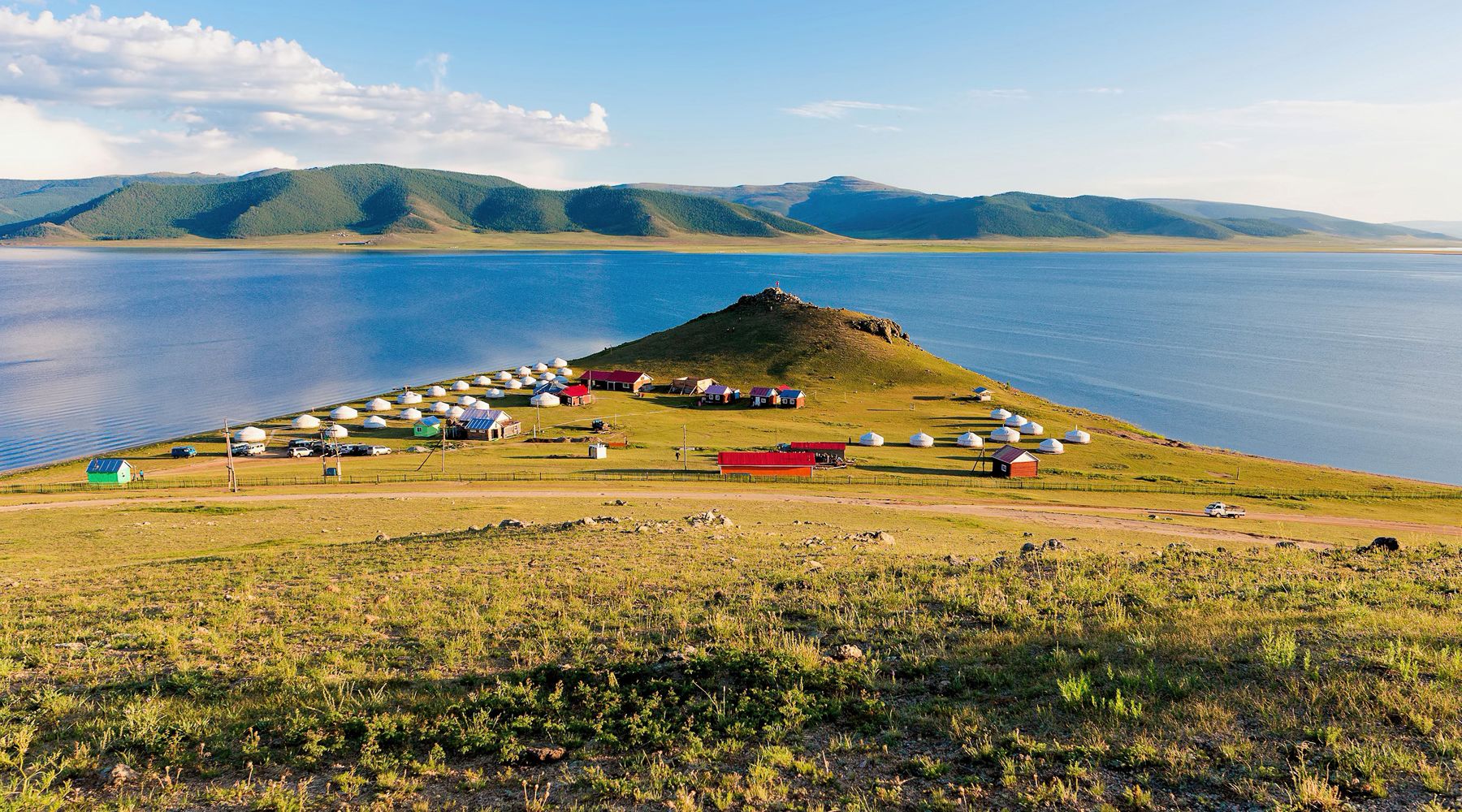
The province is rich in water resources, with more than 160
rivers and streams, including Khara Us, Shara Us, Buyant, Khurimt, Sumber, Zag,
Baidrag, Tui, Shargaljuut, Lig, Tsagaan Gol, and Bayantsagaan rivers. It also
has around 30 lakes such as Bөön Tsagaan, Orog, Adgiin Tsagaan, Duut, Khurimt,
Böörög, and Olgoy. Additionally, there are over 20 hot and cold mineral
springs, including Shargaljuut, Örgöö, Teel, Khaliut, Ichiet, and Khüren Khad.
The region is also known for its beautiful oases such as Ekhyn Gol, Shar
Khulstai, Tsagaan Burgas, Khutsyn Shand, Ölziit Gol, Burkhant, and the Tooroi
valleys.
Population and Culture
The population of Bayankhongor is predominantly Khalkh
Mongols, with a strong tradition of livestock herding and handicrafts that form
an important part of both the local economy and cultural identity.
Natural and Cultural Attractions
Bayankhongor is famous for its “Seven Wonders,” which
include Tsagaan Agui Cave, Bichigt Khad rock inscriptions, Shatar Chuluun
Monument (Chess Stone formation), Turkic-era inscriptions, Bugiin Tsav Gorge,
Shargaljuut Hot Springs, and Ikh Bogd Mountain.